
When the Fed Cuts Rates, Mortgage Rates Can Go Up—Here’s the Shocking Reason
In most economic cycles, a Federal Reserve rate cut signals a slowing economy, and mortgage rates tend to follow by decreasing. But 2025 has disrupted this pattern entirely. Today’s economic landscape is layered with complexities that are pushing against the usual cause-and-effect narrative.
Inflation Is Moving the Wrong Way
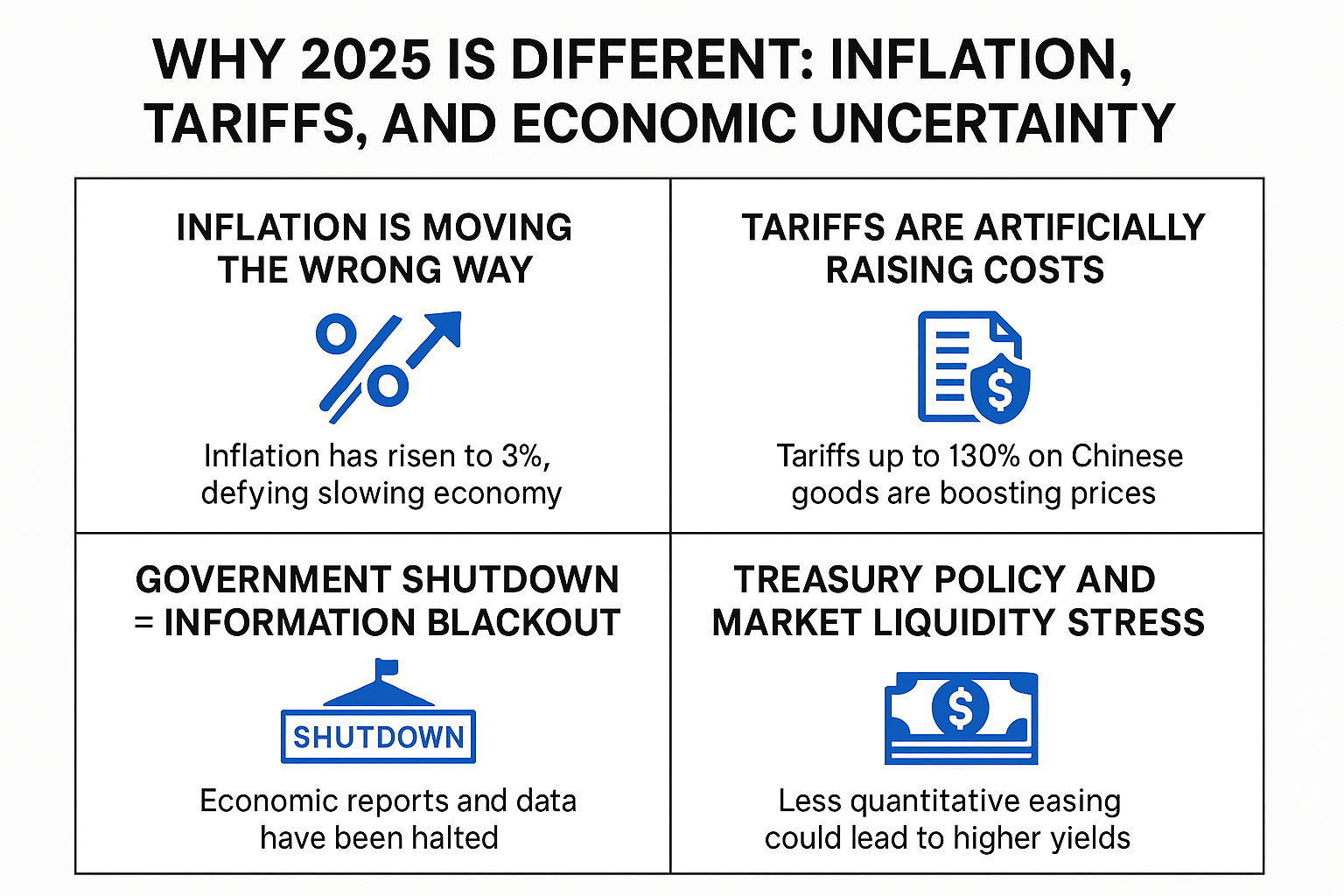
Despite months of weakening job creation and signs of slowing consumer spending, inflation has begun to tick upward again. In both September and October 2025, the Consumer Price Index (CPI) showed year-over-year inflation rising, now sitting at 3%. This trend defies conventional expectations. In a slowing economy, inflation typically cools—yet that’s not happening. Why?
A major factor is cost-push inflation, driven not by consumer demand but by external factors like tariffs and global supply chain disruptions. Unlike in past downturns, prices aren't coming down because the inputs remain expensive. This keeps pressure on long-term interest rates, including mortgage rates.
Tariffs Are Artificially Raising Costs
On October 10, 2025, the U.S. imposed massive new tariffs—up to 130%—on goods imported from China. This announcement shocked global markets, and investors immediately fled to the safety of U.S. bonds, briefly pushing mortgage rates down.
However, tariffs act like a tax on consumers. They raise the baseline cost of goods across the board, feeding inflation. Over time, this sustained pressure can drive long-term mortgage rates higher, regardless of what the Fed is doing with its short-term rate.
Government Shutdown = Information Blackout
As of October 1, the U.S. government has entered a shutdown, freezing the release of vital economic reports from agencies like the Bureau of Labor Statistics (BLS). That means no new jobs data, inflation revisions, or consumer spending trends are being published. This absence of data forces lenders and investors to rely on guesswork—often leading to more conservative, higher-rate pricing.
Markets hate uncertainty, and in the absence of clear information, they often price in more risk—not less.
Treasury Policy and Market Liquidity Stress
Adding to the confusion is word that the U.S. Treasury may soon halt quantitative easing, a policy that’s been keeping bond yields (and therefore mortgage rates) artificially low since the COVID era. Pulling back on this support could send yields climbing again, pushing mortgage rates higher even as the Fed tries to stimulate growth.
A Perfect Storm for Higher Mortgage Rates
Combine rising inflation, artificially inflated goods prices from tariffs, a shutdown-induced data blackout, and reduced liquidity support from the Treasury—and you have a market environment where mortgage rates are more likely to rise, not fall.
In short, 2025 isn’t behaving like past economic slowdowns. The usual tools and expectations no longer apply. Homebuyers and refinancers must be especially vigilant about the broader economic signals—not just the Fed’s headline decisions.